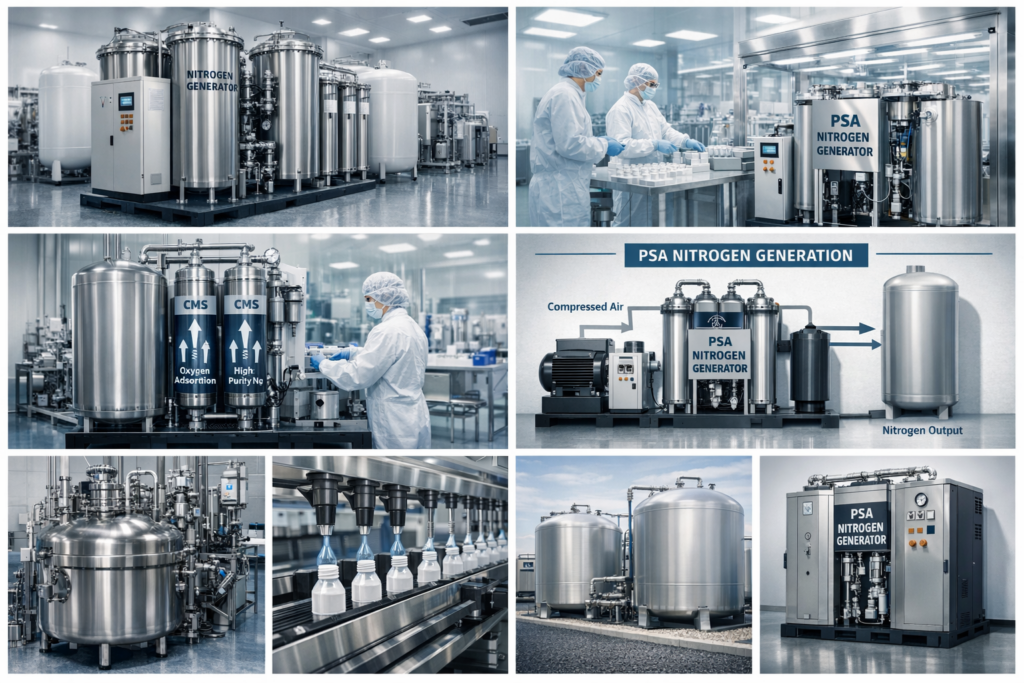
In medicinal manufacturing, maintaining product purity, process stability, and regulatory compliance is essential. Nitrogen plays a crucial role in pharmaceutical and medicinal production because it is an inert, non-reactive gas that protects sensitive ingredients and prevents contamination.
A nitrogen generator for medicinal manufacturing provides a reliable on-site solution for producing high-purity nitrogen directly from compressed air. By installing a nitrogen generation system, pharmaceutical manufacturers can ensure a continuous nitrogen supply while reducing operational costs and improving process safety.
Why Nitrogen Is Important in Medicinal Manufacturing
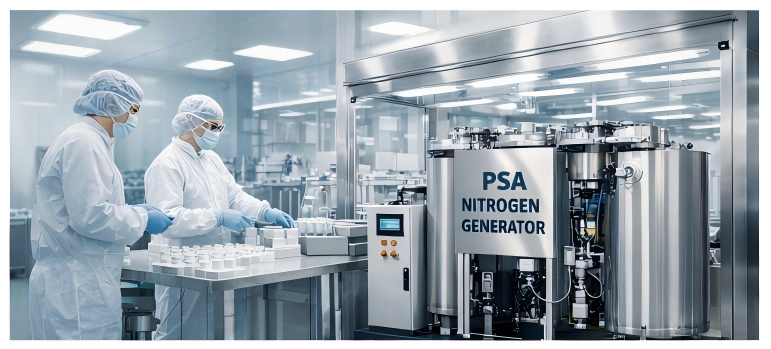
Nitrogen is widely used throughout pharmaceutical production because of its inert properties. It does not react with most chemicals, making it ideal for maintaining controlled environments during drug manufacturing and packaging.
Key benefits of nitrogen in medicinal manufacturing include:
Prevention of oxidation in sensitive pharmaceutical ingredients
Protection against moisture and contamination
Improved product stability and shelf life
Enhanced safety in flammable environments
Maintaining sterile processing conditions
These advantages make nitrogen an essential gas in many stages of medicinal production.
What Is a Nitrogen Generator for Medicinal Manufacturing?
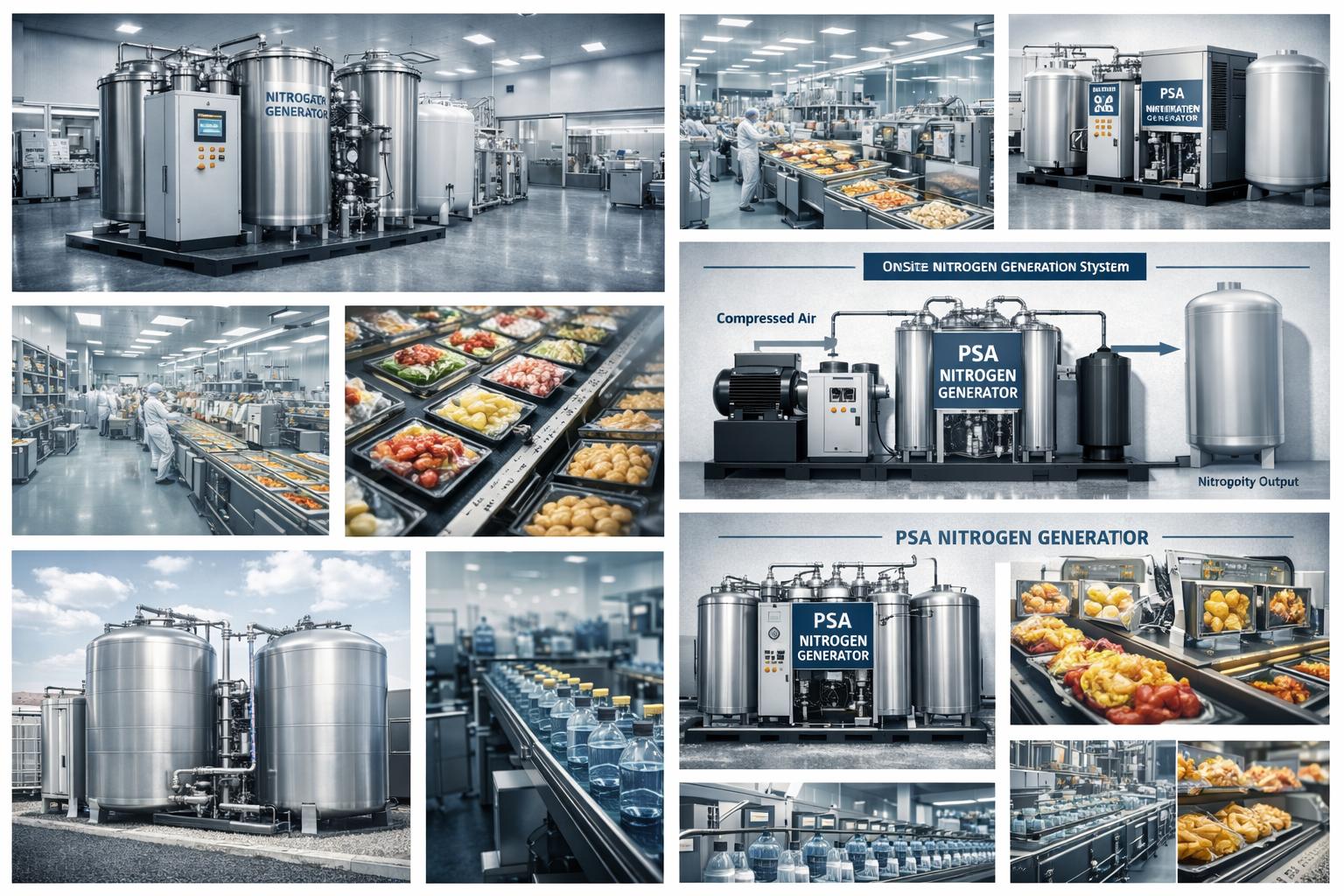
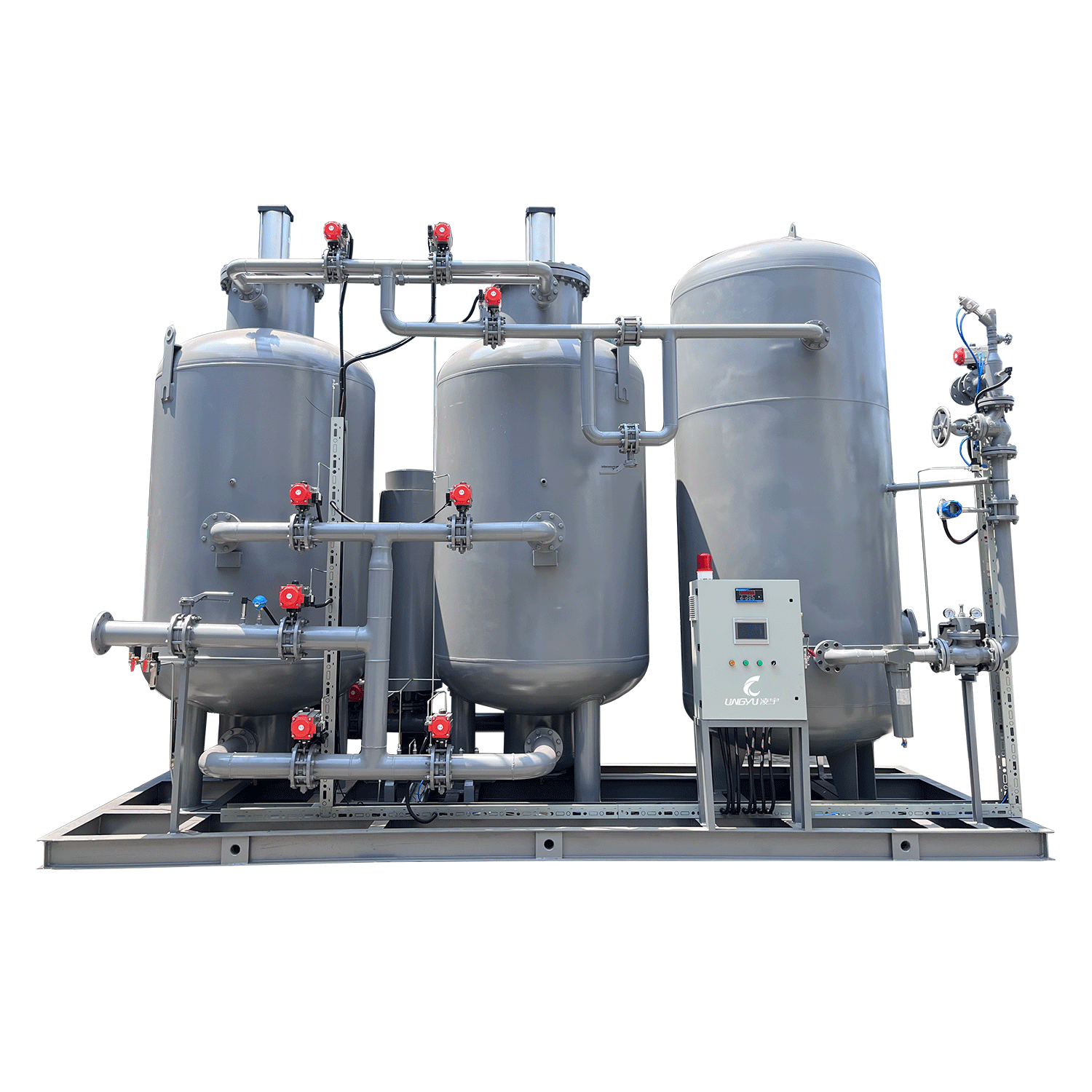
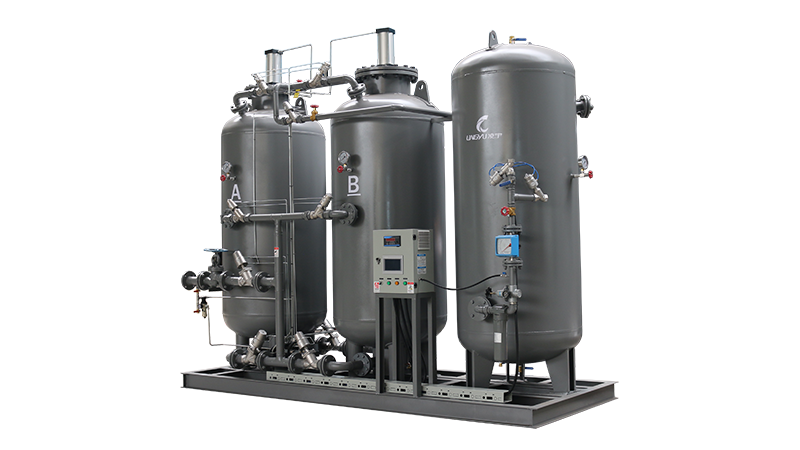
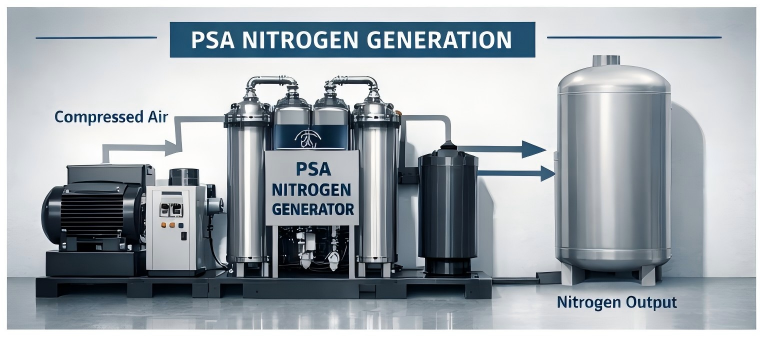
A nitrogen generator for medicinal manufacturing is an industrial system that produces nitrogen on-site by separating it from compressed air. Instead of relying on external gas deliveries, pharmaceutical companies can generate nitrogen continuously whenever it is needed.
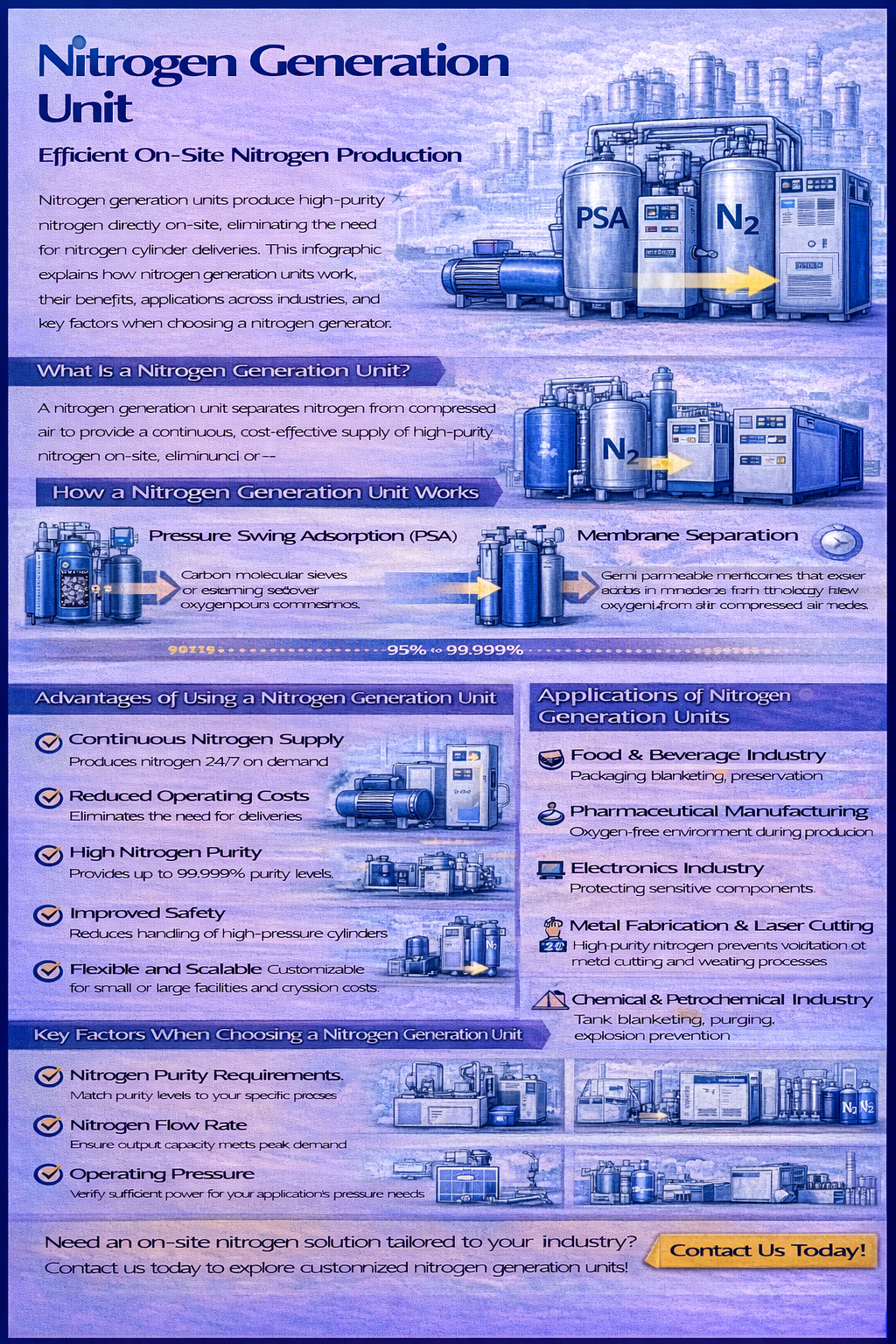
Most nitrogen generators operate using one of two technologies:
Pressure Swing Adsorption (PSA)
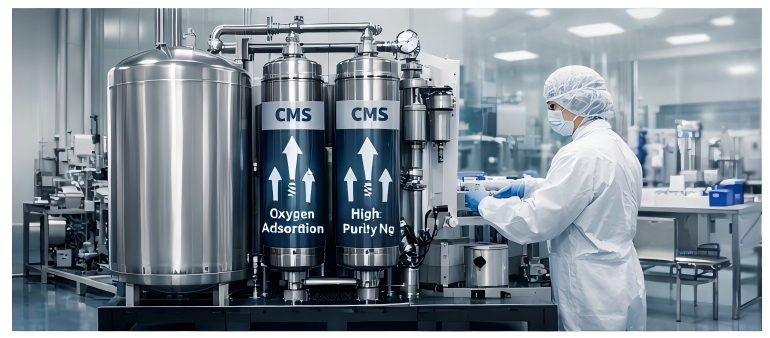
PSA nitrogen generators use carbon molecular sieve materials to selectively adsorb oxygen molecules from compressed air, allowing nitrogen to pass through as the product gas. This technology is capable of producing nitrogen with very high purity levels, often up to 99.999%.
Membrane Nitrogen Generation
Membrane systems separate nitrogen using semi-permeable membranes. These systems are typically used when moderate nitrogen purity levels are sufficient.
For pharmaceutical manufacturing, PSA systems are generally preferred because they deliver higher purity and consistent performance.
Applications of Nitrogen in Medicinal Manufacturing
Nitrogen generators support a wide range of pharmaceutical and medicinal processes.
Drug Production
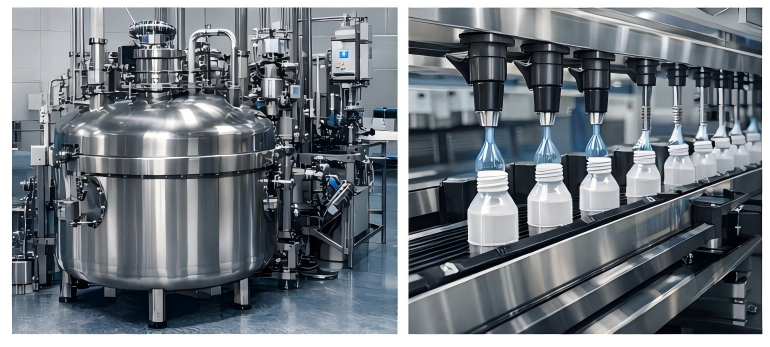
Nitrogen is used to create an inert atmosphere during chemical reactions and active pharmaceutical ingredient (API) production. This helps prevent oxidation and unwanted reactions.
Pharmaceutical Packaging
Nitrogen flushing is commonly used in packaging to remove oxygen from containers, protecting medicines from degradation and extending shelf life.
Tank Blanketing
Nitrogen blanketing protects liquid pharmaceutical products stored in tanks by preventing oxygen exposure and moisture contamination.
Laboratory and Research Processes
Many pharmaceutical laboratories use nitrogen for analytical equipment, sample preparation, and controlled experiments.
Sterile Manufacturing Environments
Nitrogen helps maintain clean and controlled atmospheres required for sterile drug production.
Advantages of Installing an On-Site Nitrogen Generator
Using a nitrogen generator for medicinal manufacturing offers several operational benefits.
Continuous Nitrogen Supply
On-site generators provide nitrogen 24 hours a day, eliminating the risk of production delays due to gas shortages.
Cost Reduction
Producing nitrogen on-site significantly reduces expenses associated with cylinder delivery, storage, and transportation.
High Purity and Consistency
Advanced nitrogen generators provide stable purity levels that meet strict pharmaceutical standards.
Improved Safety
On-site nitrogen production reduces the need for handling high-pressure cylinders and cryogenic liquid nitrogen tanks.
Compliance with Industry Standards
Modern nitrogen generators are designed to support Good Manufacturing Practice (GMP) environments and pharmaceutical regulations.
Key Factors When Choosing a Nitrogen Generator for Pharmaceutical Use
When selecting a nitrogen generator for medicinal manufacturing, several factors should be considered.
Nitrogen Purity Requirements
Pharmaceutical applications often require extremely high nitrogen purity levels.
Flow Rate and Capacity
The generator should match the facility’s nitrogen demand during peak production.
System Reliability
Continuous operation is essential in pharmaceutical manufacturing processes.
Air Quality and Filtration
Proper filtration and air drying are necessary to protect the nitrogen generator and maintain purity.
Maintenance and Service Support
Choosing a reliable supplier ensures long-term system performance.
The Future of Nitrogen Supply in Medicinal Manufacturing
As pharmaceutical production continues to expand globally, more manufacturers are shifting to on-site nitrogen generation systems. These systems provide greater operational control, lower long-term costs, and improved process reliability compared to traditional nitrogen supply methods.
By integrating a nitrogen generator into their production facilities, medicinal manufacturers can optimize efficiency while maintaining the strict quality standards required in the pharmaceutical industry.
Conclusion
A nitrogen generator for medicinal manufacturing is an essential solution for pharmaceutical companies seeking a reliable, safe, and cost-effective nitrogen supply. By producing nitrogen on-site, manufacturers can ensure consistent gas purity, improve process control, and reduce operational expenses.
With advanced PSA nitrogen generation technology, modern pharmaceutical facilities can maintain high production standards while achieving greater efficiency and sustainability.