In today’s food industry, preserving freshness, maintaining product quality, and extending shelf life are essential for both manufacturers and consumers. As packaging technology continues to evolve, nitrogen food preservation has become one of the most effective methods for protecting a wide range of food products during storage, transportation, and retail display.
Nitrogen is an inert gas that is widely used in food preservation because it helps reduce oxygen exposure inside the package. Since oxygen is one of the main causes of food deterioration, replacing it with nitrogen can significantly slow down oxidation, maintain texture, preserve flavor, and improve the overall stability of packaged food products.
From snack foods and coffee to dairy powders and processed meats, nitrogen plays an important role in modern food packaging systems. For food producers seeking better product protection and more efficient packaging performance, nitrogen preservation is a practical and reliable solution.
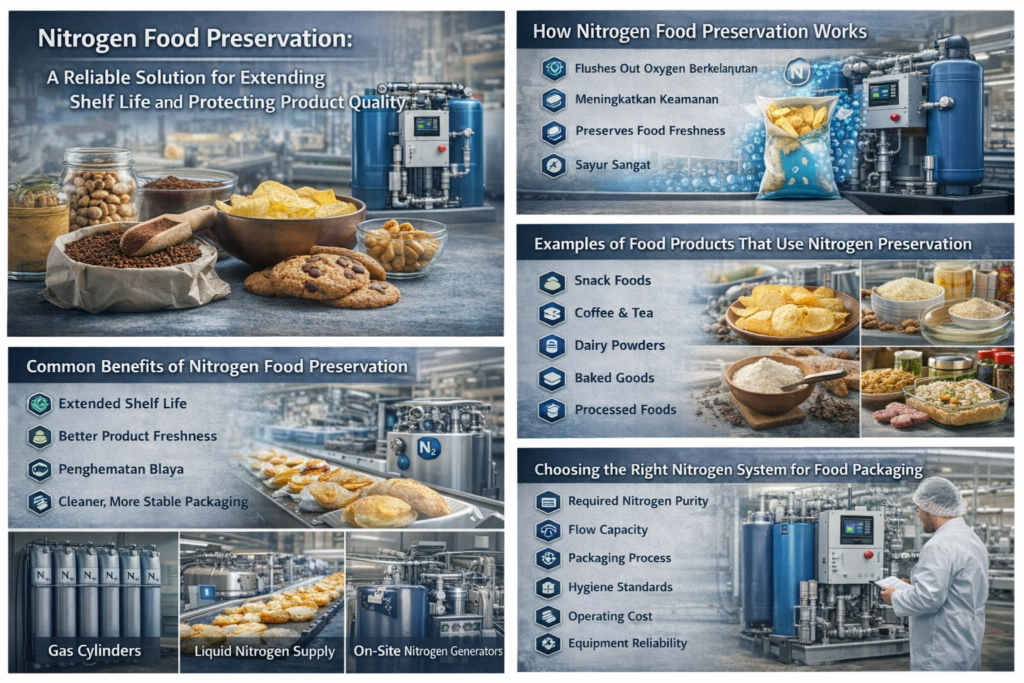
What Is Nitrogen Food Preservation?
Nitrogen food preservation refers to the use of nitrogen gas in food packaging or storage processes to help protect food from spoilage and quality loss. In most cases, nitrogen is used to displace oxygen inside the package, creating a more stable internal atmosphere.
Because nitrogen is dry, clean, and non-reactive, it does not damage the product or interfere with its natural properties. Instead, it helps protect food by minimizing the effects of oxygen, moisture, and in some cases package collapse.
This preservation method is commonly used in:
- Modified atmosphere packaging
- Food filling and sealing processes
- Storage containers and tanks
- Packaging lines for dry and fragile foods
- On-site gas supply systems in food factories
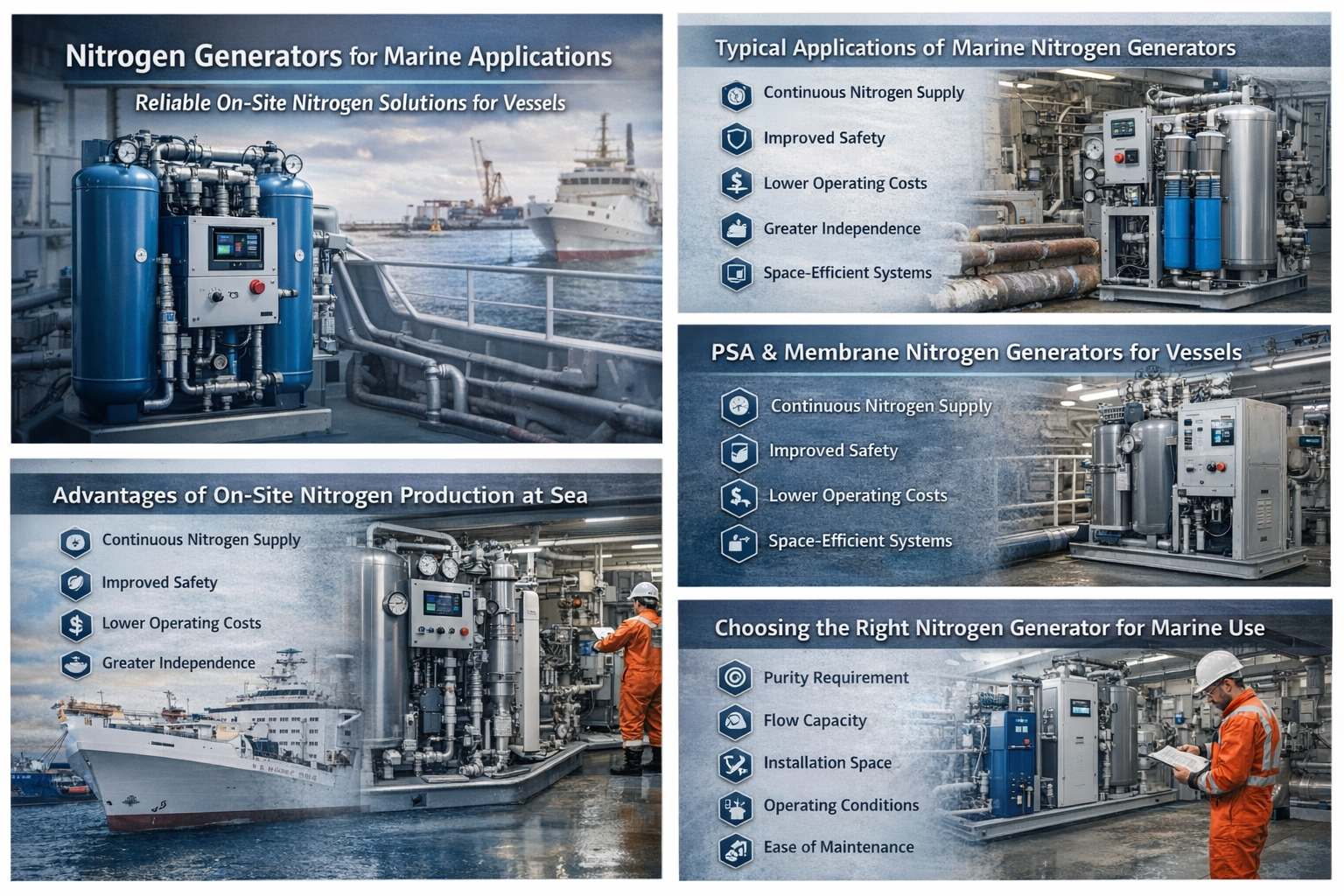
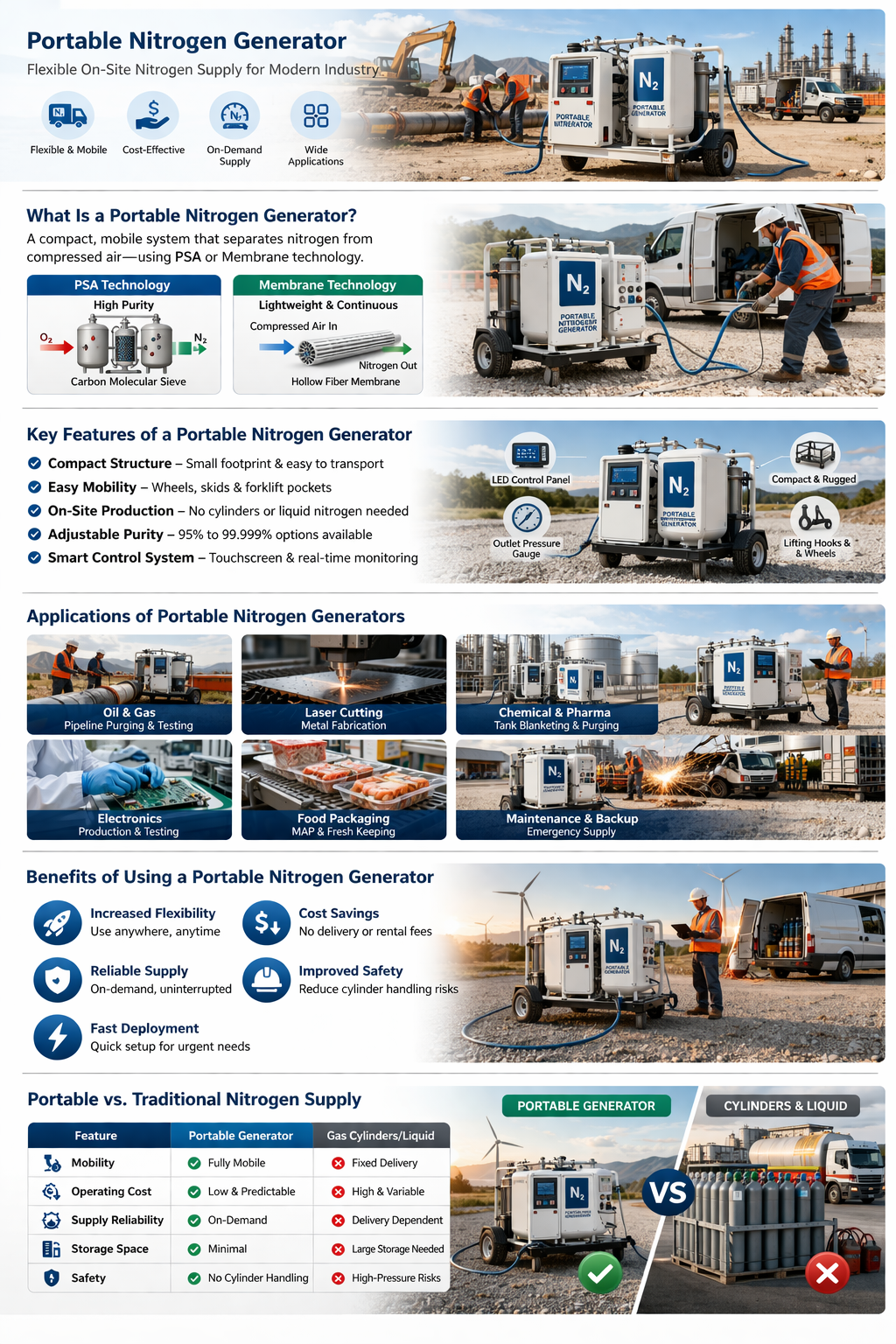
Nitrogen can be supplied through cylinders, liquid nitrogen systems, or on-site nitrogen generators, depending on the production scale and operational requirements.
Why Oxygen Is a Problem in Food Packaging
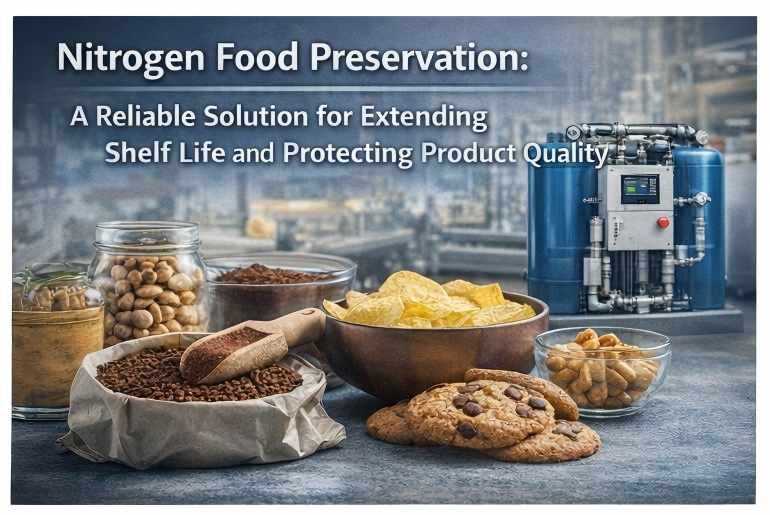
Oxygen is one of the main factors that leads to food quality deterioration. When oxygen remains inside food packaging, it can cause several problems.
First, oxygen promotes oxidation. This can result in rancidity in oils and fats, flavor changes, color loss, and nutrient degradation. Products such as chips, nuts, coffee, milk powder, and baked goods are especially sensitive to oxidation.
Second, oxygen can support the growth of certain microorganisms, which may shorten shelf life and affect food safety.
Third, oxygen can reduce the visual and physical quality of the packaged product. For example, delicate snacks may become stale more quickly, and certain products may lose their aroma or freshness during storage.
By reducing oxygen levels in the package, nitrogen helps slow down these quality problems and supports better product protection throughout the supply chain.
How Nitrogen Food Preservation Works
The principle of nitrogen food preservation is simple but highly effective. Nitrogen is introduced into the food package or container to replace the oxygen present in the surrounding air. Since nitrogen is inert, it creates a more stable environment that helps preserve the product.
In food packaging applications, nitrogen is often used in one of the following ways:
Nitrogen Flushing
Nitrogen is flushed into the package before sealing to push out oxygen. This is a common method for snack foods, coffee, bakery products, and dry foods.
Modified Atmosphere Packaging
Nitrogen may be used alone or combined with other gases in modified atmosphere packaging systems to create the desired packaging environment.
Headspace Filling
In some packaging formats, nitrogen is used to fill the empty space inside the package, helping protect the product and reduce oxygen exposure.
Tank and Container Blanketing
Nitrogen can also be used in storage tanks or containers to protect liquid or powdered food products from oxidation during storage and handling.
These methods help improve freshness retention, extend shelf life, and support a more stable packaging result.
Main Benefits of Nitrogen Food Preservation
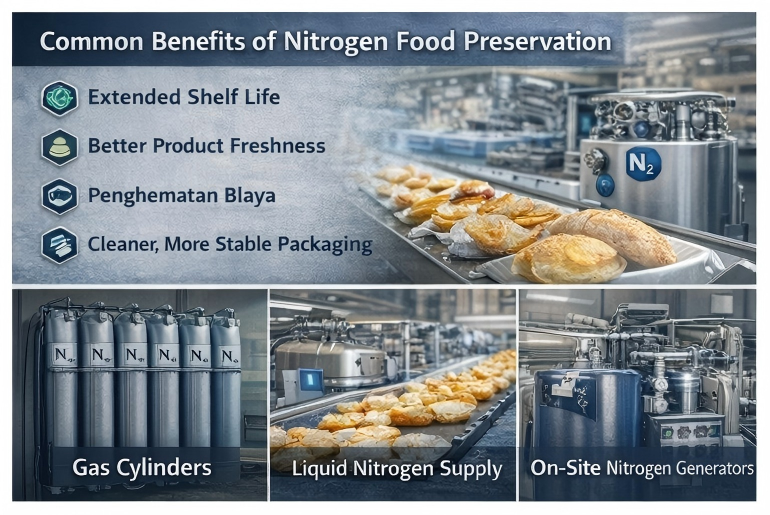
Using nitrogen in food preservation offers several important advantages for food manufacturers and packaging operations.
1. Extended Shelf Life
One of the main benefits of nitrogen food preservation is longer shelf life. By reducing oxygen exposure, nitrogen helps slow the natural deterioration of many food products.
2. Better Product Freshness
Nitrogen helps maintain the original flavor, aroma, texture, and appearance of packaged foods. This is especially important for premium or delicate products.
3. Reduced Oxidation
Oxidation can damage food quality and shorten product life. Nitrogen helps minimize this process by replacing oxygen inside the package.
4. Improved Packaging Protection
For fragile foods such as potato chips or puffed snacks, nitrogen can help support package shape and reduce breakage during transportation and storage.
5. Cleaner and More Stable Packaging Conditions
Nitrogen is dry and inert, making it suitable for food production environments that require clean and controlled packaging conditions.
6. Lower Dependence on Preservatives
In some applications, nitrogen packaging can support product stability in a way that reduces the need for certain preservation additives, depending on the formulation and packaging method.
Common Food Products That Use Nitrogen Preservation
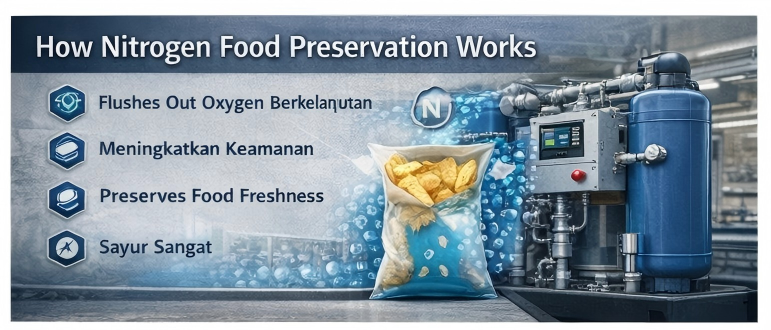
Nitrogen food preservation is widely used across many sectors of the food industry. It is especially suitable for products that are sensitive to oxygen, moisture, or physical damage.
Typical applications include:
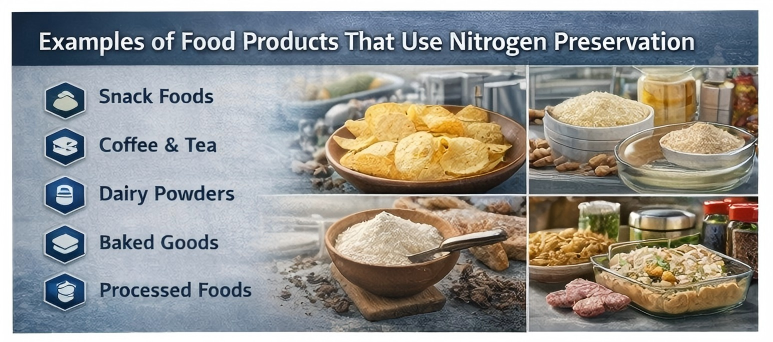
Snack Foods
Potato chips, extruded snacks, nuts, and crackers often use nitrogen flushing to protect crispness and reduce product breakage.
Coffee and Tea
Nitrogen helps preserve aroma and flavor by reducing oxidation in coffee beans, ground coffee, and some tea products.
Dairy Powders
Milk powder and other dry dairy products benefit from nitrogen packaging because it helps protect against oxidation and moisture-related quality loss.
Baked Goods
Certain bakery products can benefit from nitrogen preservation to help maintain freshness and packaging quality.
Processed Foods
Packaged dry foods, cereals, seasonings, and ready-to-eat products may also use nitrogen as part of their preservation strategy.
Liquid Food Storage
Nitrogen blanketing can be used in edible oil, beverage ingredients, and other food-related storage applications where oxidation control is important.
Nitrogen Supply Options for Food Preservation
Food manufacturers can use different nitrogen supply methods depending on production scale, packaging speed, and cost considerations.
Gas Cylinders
Nitrogen cylinders may be suitable for small-scale or low-volume operations, but they require regular replacement and handling.
Liquid Nitrogen Supply
Liquid nitrogen systems can support larger demand, but they require external delivery, storage infrastructure, and supply coordination.
On-Site Nitrogen Generators
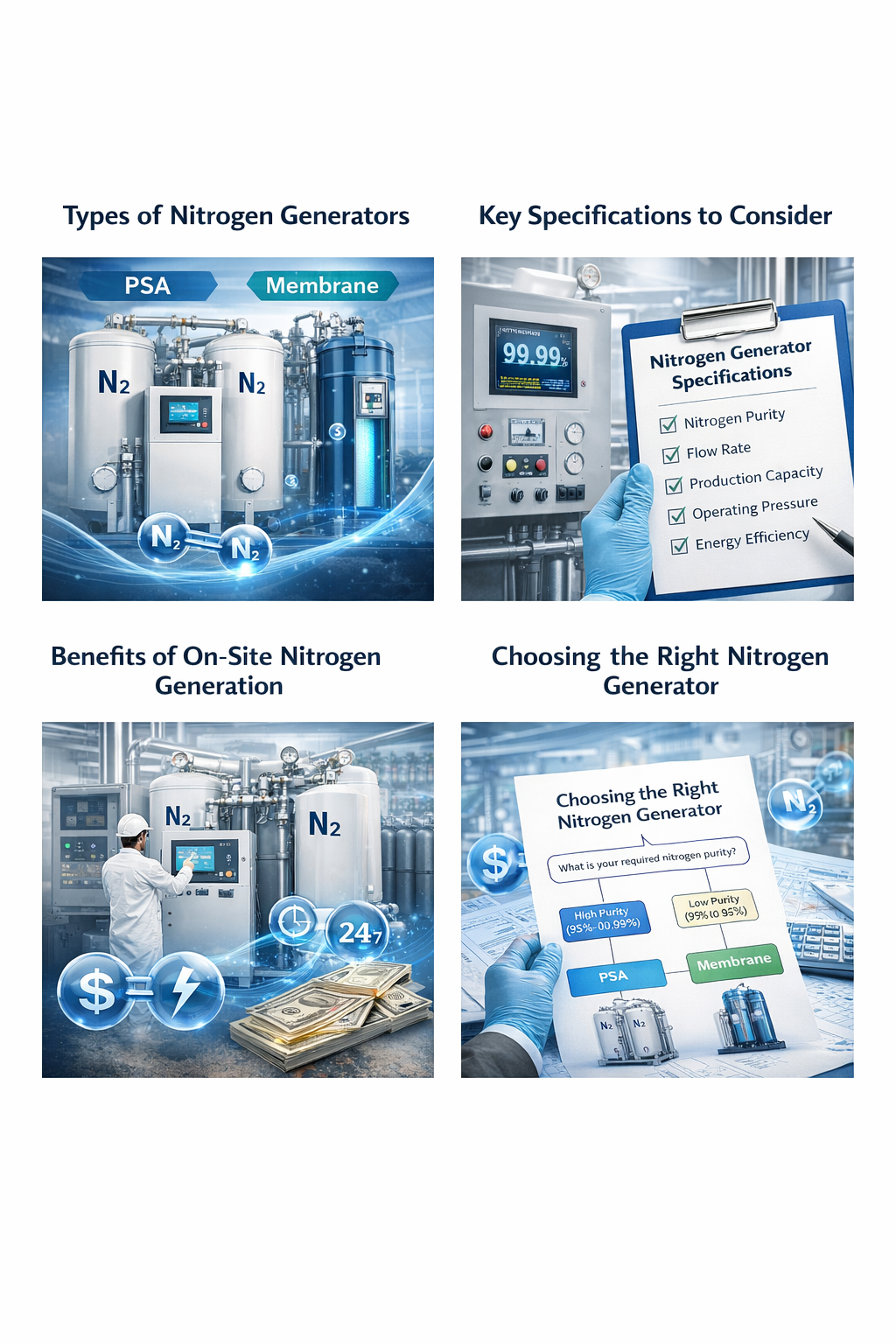
Many food manufacturers now choose on-site nitrogen generation as a more flexible and cost-effective solution. These systems produce nitrogen directly from compressed air, allowing businesses to generate nitrogen whenever needed.
On-site nitrogen generators are especially attractive for food factories with continuous packaging operations because they offer:
- Stable nitrogen supply
- Reduced long-term operating costs
- Less dependence on external gas deliveries
- Greater control over production efficiency
- Improved convenience for large-scale packaging lines
Why On-Site Nitrogen Generation Is Valuable for Food Manufacturers
For modern food processing plants, an on-site nitrogen generator can offer significant operational benefits. Instead of relying on cylinder deliveries or bulk gas supply, the factory can produce nitrogen directly at the point of use.
This approach supports continuous production, reduces supply interruptions, and improves control over gas usage. It can also help lower packaging costs over time, especially for manufacturers with frequent or high-volume nitrogen demand.
In addition, on-site systems can be integrated with automated food packaging lines, making nitrogen preservation more efficient and consistent across the production process.
Key Factors to Consider When Choosing a Nitrogen Food Preservation Solution
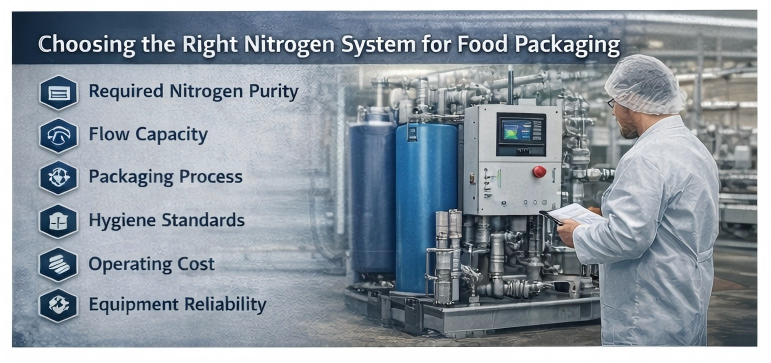
Selecting the right nitrogen solution depends on the specific product, packaging type, and production requirements. Several factors should be considered.
Required Nitrogen Purity
Different food applications may require different nitrogen purity levels. The right purity should match the packaging and preservation objective.
Flow Capacity
The nitrogen supply system should be able to meet actual production demand, especially during peak packaging periods.
Packaging Process
The type of packaging line, sealing speed, and product sensitivity all influence the most suitable nitrogen application method.
Hygiene Standards
Food production requires clean and reliable gas supply. The nitrogen system should be designed to support hygienic operation and stable performance.
Operating Cost
Manufacturers should compare the long-term cost of cylinders, bulk gas, and on-site generation based on their actual usage pattern.
Equipment Reliability
A dependable nitrogen system helps avoid production delays and ensures consistent packaging quality.
The Role of Nitrogen in Food Industry Efficiency
Nitrogen food preservation is not only about extending shelf life. It also plays a role in improving packaging efficiency, reducing product waste, and supporting brand quality. When products stay fresher for longer and reach the market in better condition, manufacturers can improve customer satisfaction and reduce losses across the supply chain.
For companies focused on quality, consistency, and cost control, nitrogen is an important part of a modern food packaging strategy.
Conclusion
Nitrogen food preservation is a proven and effective method for protecting food quality, extending shelf life, and improving packaging performance. By reducing oxygen exposure, nitrogen helps preserve freshness, maintain product appearance, and reduce oxidation-related damage in a wide range of food applications.
From snack foods and coffee to dairy powders and processed products, nitrogen preservation offers clear advantages for modern food manufacturers. Whether supplied through cylinders or generated on site, nitrogen can help create a more stable, efficient, and reliable packaging process.
For businesses looking to improve product protection and packaging efficiency, nitrogen food preservation is a practical solution with long-term value.